
Store and supermarket sales barely rose 1% in July: in real terms, your buying power fell
Supermarket and department-store chains reported nominal same-store growth of 1%; stripping out 3.12% inflation, sales fell about 2%, a sign of weakening consumption.
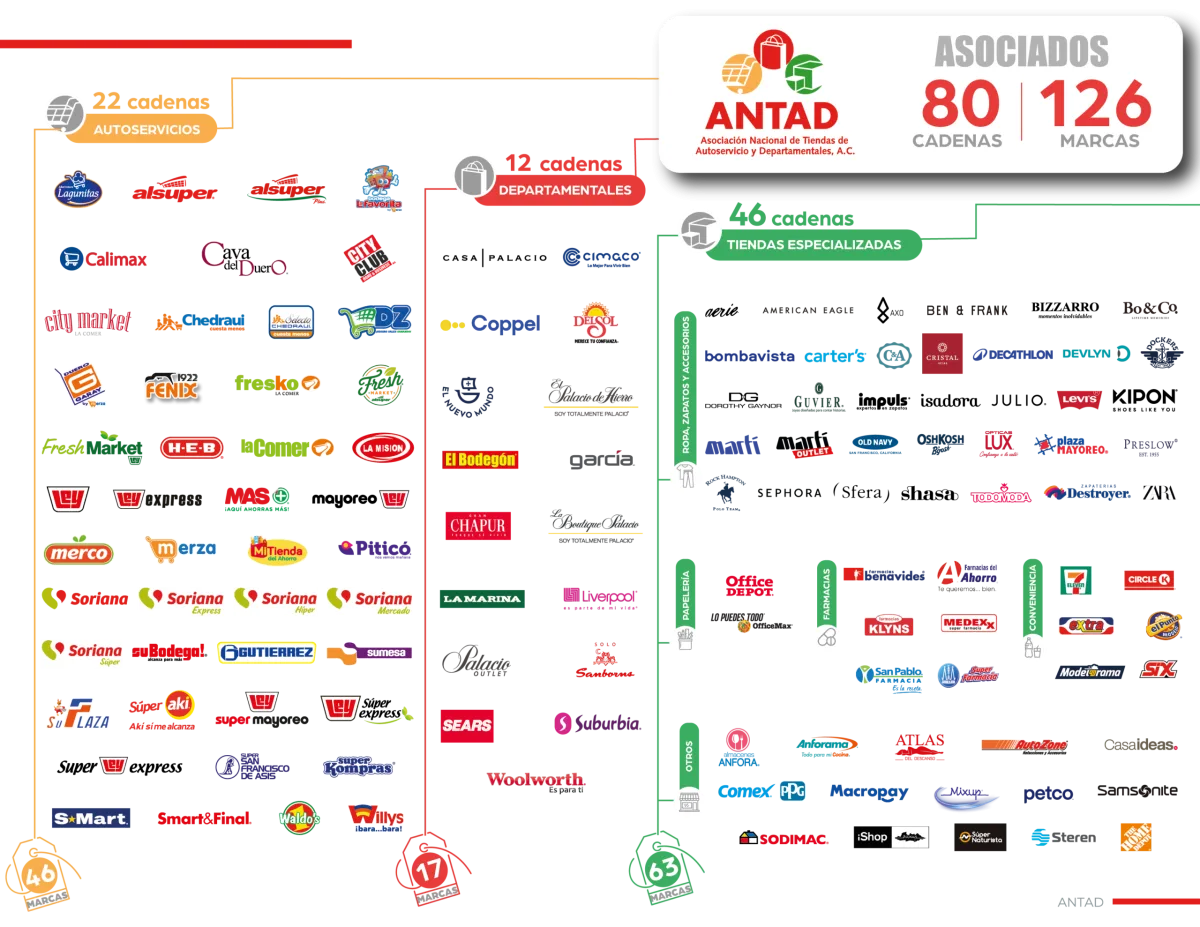
Sales at the country's main supermarket, department-store and specialty chains rose just 1% in July compared with the same month of 2025, measured on a same-store basis —that is, only outlets open for at least a year, the cleanest comparison because it excludes the effect of new store openings. Counting all stores, including those opened in the past twelve months, the increase was 3.4%. The figures were reported by the National Association of Self-Service and Department Stores, which groups the country's large retail chains.
The number matters because those percentages are nominal: they do not discount inflation. Since the National Consumer Price Index closed July with annual inflation of 3.12%, according to INEGI, that 1% same-store gain translates into a drop of nearly 2% in real terms. Put simply, the chains took in more pesos but sold less merchandise: households are buying somewhat less than they did a year ago. By format, specialty stores performed best, while self-service —where families stock the pantry— was the weakest, with same-store sales practically flat.
What it means for Cancún. In Benito Juárez, consumption is largely propped up by tourism and the floating population, but for local families' wallets the message is the same as in the rest of the country: money buys less, and it pays to stretch every peso —especially during the back-to-school season, when the costs of supplies, uniforms and enrollment fees pile up.
A practical guide to protect your spending. Before the big payday shop, check Profeco's Quién es Quién en los Precios price comparison tool, which tracks the cost of basic goods across different chains in the city and helps you spot where to stock up. Compare the price per kilo or per liter —not just the package price—, take advantage of the supermarket's own store brands, which are usually cheaper than name brands, and make a list to avoid impulse buys. For school supplies, Profeco publishes an annual price survey of the back-to-school basket that is worth reviewing before spending. And if you are charged a price different from the one advertised on the shelf, you can demand that it be honored and, if necessary, file a complaint with Profeco.
Related
The 2026 Tax Regularization Program remains open to individuals and businesses with up to 300 million pesos in 2024 income; those wanting to pay in two installments must apply by October 15.
Trained staff will activate a protocol and call authorities; the program also covers girls, boys and teenagers.
City hall says the plots were offered on Facebook with no sewage, drinking water, paving or street lighting.
Households see their current situation and the country's as worse; plans to buy a car or a home also slipped.