
Peso Strengthens Against the Dollar: What It Means for Cancún
Banco de México data show the peso gaining ground on the dollar in mid-July; in a destination that runs heavily on dollar-based tourism, the shift shows up in prices, remittances and everyday spending.
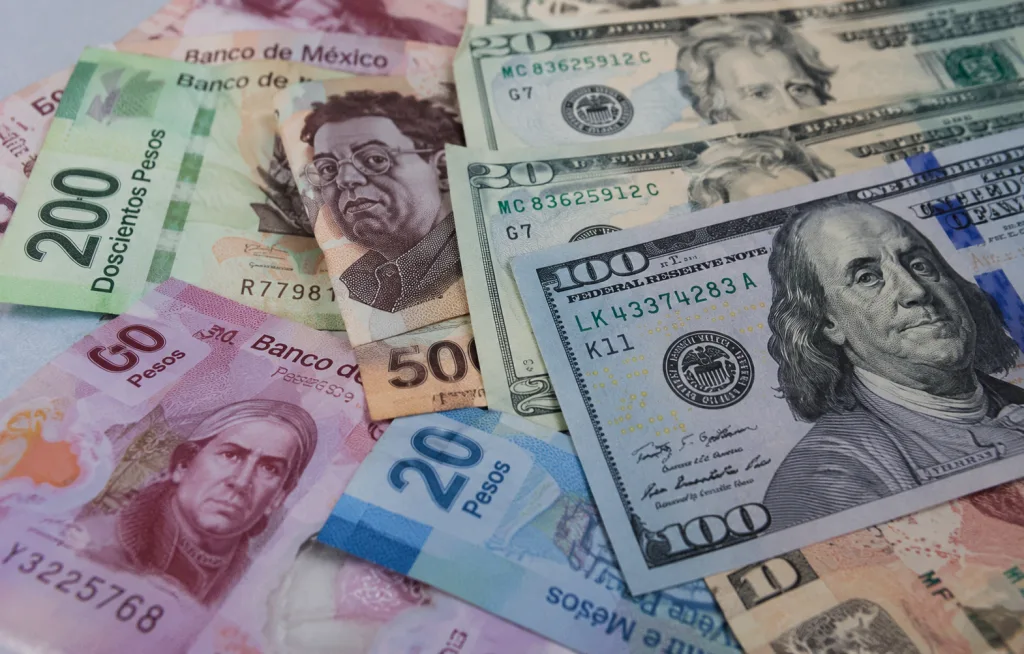
The Mexican peso started the week on an appreciating trend against the U.S. dollar. According to official data from Banco de México (Banxico), the FIX exchange rate — the benchmark the central bank calculates and publishes every banking business day — stood at 17.5023 pesos per dollar on July 13, 2026, and eased to 17.4278 pesos per dollar the following day, July 14. In the interbank market, where banks trade currency among themselves, the rate had been hovering near 17.5 pesos per dollar over that same weekend.
Banxico notes that the exchange rate moves throughout the trading day depending on currency supply and demand, interest-rate decisions by the central banks of Mexico and the United States, and the broader mood of international financial markets.
Why it matters in Quintana Roo
In Cancún and the Riviera Maya, where much of the local economy runs on international tourism, the peso-dollar level has direct, everyday effects:
- Tourism: when the peso strengthens, every dollar a foreign visitor spends buys fewer pesos, which can affect tourist spending and how competitively priced the destination looks next to other beach markets.
- Remittances: thousands of local families receive income in dollars from abroad; a stronger peso means fewer pesos for every dollar sent home.
- Imported goods: electronics, supplies and fuel priced in dollars tend to hold steadier peso prices when the national currency strengthens.
How to check the rate
Anyone who exchanges currency regularly — for remittances, travel or purchases — can check the official FIX rate directly on Banxico's website (banxico.org.mx), updated every banking business day. Banks and exchange houses apply their own markup over that benchmark, so the rate offered to the public can differ from the published FIX. Comparing rates before exchanging money helps secure a better deal, especially for larger amounts.
Because the FIX is not published on weekends or bank holidays, travelers and families arranging transfers around those dates should expect the reference rate to reflect the most recent banking business day rather than the current calendar day.
Related
Antonio de Jesús Riveroll Ribbón replaces Pablo Gutiérrez Fernández; unanimous votes cover beach access, caregivers and disability inclusion.
The 17.8% increase approved in committee is smaller than originally proposed; it still needs floor votes in the Chamber of Deputies and the Senate.
The city reports demolition at 100% and debris removal at 10% on the 6,637-square-meter lot.
The state anti-trafficking commission held its third session of the year; the government is also promoting the Red Card campaign in tourist areas. Warning signs and where to report.