
Mexico's Inflation Falls to 3.37% in June, Lowest Since 2020
The reading falls within Banxico's target range. Here's what it means for households in Cancun and Quintana Roo.
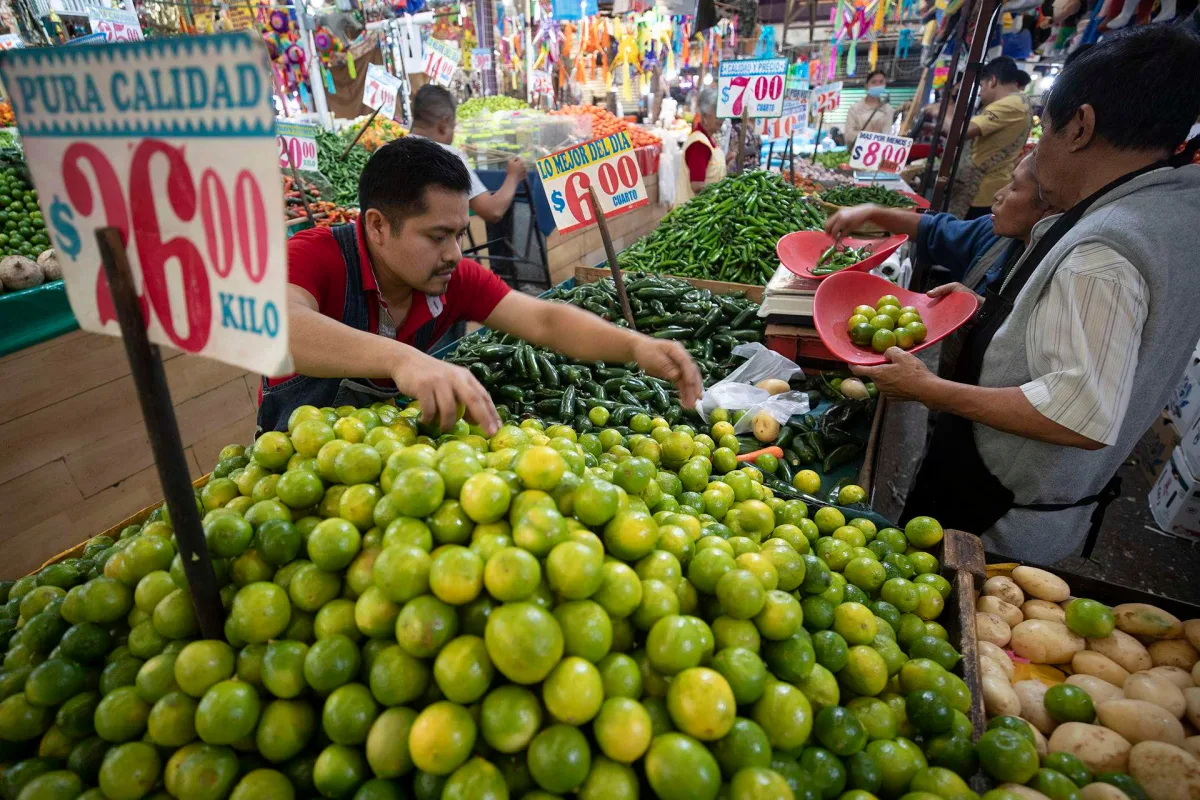
Mexico's annual headline inflation rate closed June 2026 at 3.37%, according to the National Consumer Price Index (INPC) calculated by the National Institute of Statistics and Geography (INEGI). It is the lowest level recorded since 2020.
The figure matters because it falls within the range pursued by the Bank of Mexico (Banxico) for its inflation target: 3%, with a margin of plus or minus one percentage point, meaning between 2% and 4% annually.
What changes (and what doesn't) for everyday spending
Lower inflation does not mean prices are falling — it means they are rising more slowly than in recent years. The purchasing power of wages and savings keeps eroding, just at a slower pace.
For households in Cancun and the rest of Quintana Roo, where the cost of living already runs above the national average due to the pressure tourism places on rent, food, and services, more contained inflation translates into smaller increases in the basic basket and monthly bills — not lower prices outright.
The link to interest rates
Inflation is one of the inputs Banxico reviews when setting its benchmark interest rate, which directly affects the cost of credit cards, auto loans, and mortgages, as well as the returns paid on savings instruments. A reading inside the target range gives the central bank room to hold or adjust that rate at its upcoming monetary policy meetings.
Practical guide: how to track the data
INEGI updates the INPC on a biweekly and monthly basis and publishes an inflation calculator on its official portal (inegi.org.mx) that lets residents estimate how the cost of a personalized basket of goods and services has changed. To compare prices of specific products across stores and pharmacies, Mexico's consumer protection agency, Profeco, maintains the "Quién es Quién en los Precios" tool. Anyone planning to apply for credit or make a large purchase can check these official resources beforehand, and keep an eye on Banxico's upcoming monetary policy announcements, typically published on its official site (banxico.org.mx).
Related
Antonio de Jesús Riveroll Ribbón replaces Pablo Gutiérrez Fernández; unanimous votes cover beach access, caregivers and disability inclusion.
The 17.8% increase approved in committee is smaller than originally proposed; it still needs floor votes in the Chamber of Deputies and the Senate.
The city reports demolition at 100% and debris removal at 10% on the 6,637-square-meter lot.
The state anti-trafficking commission held its third session of the year; the government is also promoting the Red Card campaign in tourist areas. Warning signs and where to report.