
Chetumal launches Q. Roo's first 100% electric transit with a 10-peso fare
The MOBI system began operating with Mexican-made TARUK buses; the social fare is 10 pesos for students and seniors, and free for people with disabilities.
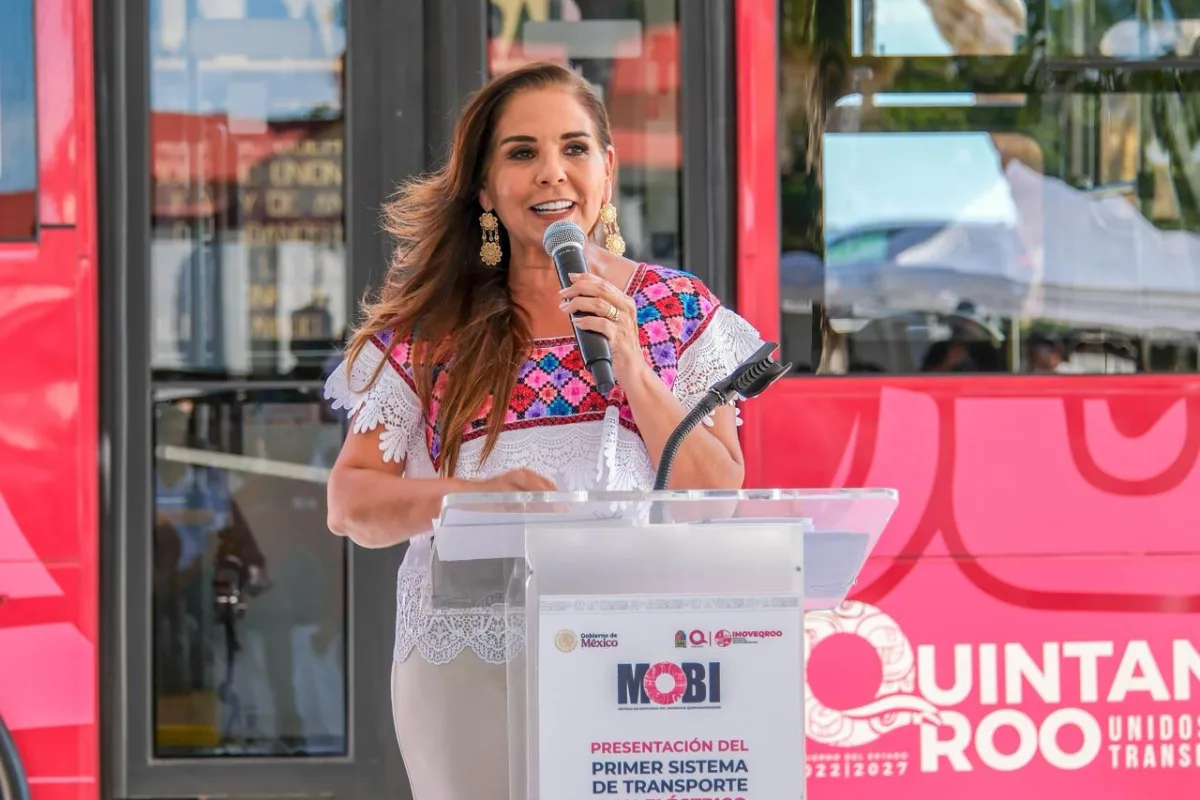
The MOBI public transit system began operating in Chetumal with the Sian Ka'an–Las Américas route, the first 100% electric line in Quintana Roo, using TARUK buses made in Mexico. With this launch, the state capital becomes the first city in the country to run this type of nationally manufactured unit, the Quintana Roo government reported.
The inaugural route covers 21 kilometers and connects the Las Américas area with downtown Chetumal. It runs five buses at once, each with capacity for 60 passengers, from 6:00 a.m. to 10:00 p.m. The TARUK units have a range of up to 340 kilometers per charge.
How much it costs. The MOBI Social Fare sets a preferential cost of 10 pesos for students and seniors, while people with disabilities ride free. Transfers between routes are also free within a two-hour window, letting riders complete a connecting trip with a single payment.
At full build-out, the project contemplates 10 routes in Chetumal, with infrastructure ready for 66 electric buses and estimated coverage of more than 160,000 people.
What it means for Cancún. For now the service runs only in Chetumal, so riders in the north of the state will see no immediate change to their routes. Still, the model matters for Cancún and Benito Juárez, the municipality with the highest public-transit demand in Quintana Roo, where modernizing the bus system and the debate over fares and units is a recurring issue. Chetumal's approach —a tiered social fare, free rides for people with disabilities and no-cost transfers— sets a reference for the kind of rules that could be replicated if the electric model expands to the north.
Related
The corridor's widening is about 37% complete and is expected to wrap up in December, according to the federal authority.
Playa del Carmen's government will rebuild the access road at a cost of nearly 23 million pesos; plan ahead if you visit from Cancún.
The new state transit system is running rides with real passengers at no cost during its evaluation phase; vulnerable groups can apply for a discounted card.
Quintana Roo's government is preparing the MOBI system, which would reorganize routes, buses and fares for over 1.5 million residents.