
Playa del Carmen Weighs Joint Task Forces to Ease Inspections on Small Businesses
City councilman Juan Novelo Zapata asked the municipal government to coordinate SAT, Cofepris, Profeco and other agencies to simplify paperwork for micro and small businesses.
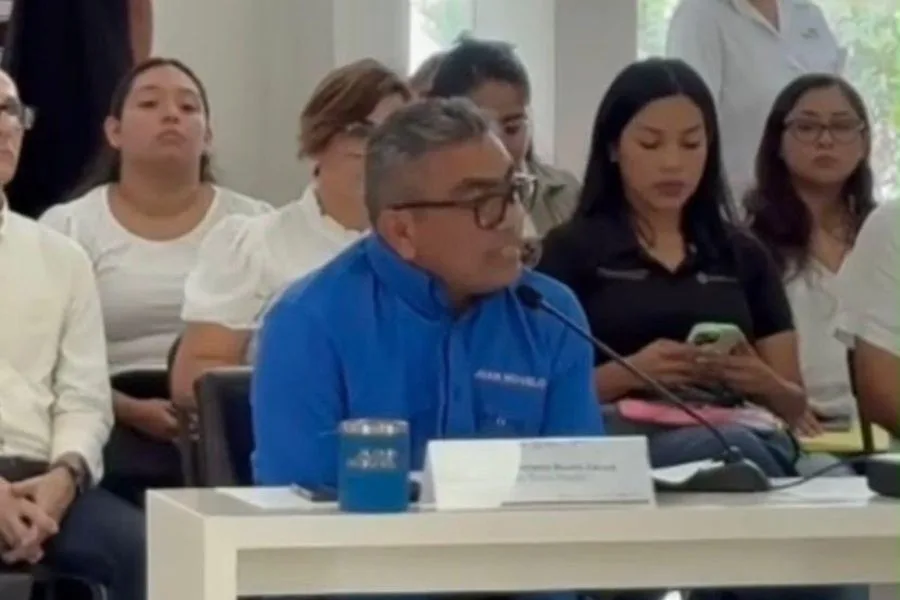
The municipal government of Playa del Carmen (Solidaridad) is reviewing a proposal from city councilman Juan Novelo Zapata to set up joint task forces with federal and state authorities aimed at easing the inspection burden faced by micro, small, and medium-sized enterprises (MSMEs) in the municipality.
According to the initiative the councilman presented, small business owners currently face inspections from multiple agencies across all three levels of government, including Mexico's federal tax authority (SAT), the federal health-risk watchdog Cofepris, the consumer protection agency Profeco, Quintana Roo's state tax administration (SATQ), the municipal mobility institute, traffic authorities, the municipal treasury, and environmental regulators.
"Complaints from micro and small business owners are frequent — they are living through a flood of inspections from all three levels of government," Novelo Zapata said in presenting the proposal to the city council, in a translation of his original remarks.
The plan lays out four concrete steps: a joint work schedule among agencies, a review of inspection protocols, the digitization and simplification of paperwork, and the standardization of criteria used by municipal, state, and federal authorities. The proposal does not seek to eliminate inspections or waive compliance with current regulations, but rather to better coordinate how they are carried out.
The issue carries weight because, according to figures cited in the proposal, MSMEs generate seven out of every ten jobs in Mexico. In Playa del Carmen and the rest of the Riviera Maya, a large share of the tourism-driven economy — restaurants, shops, and neighborhood services — operates as micro or small businesses, meaning any change in how often inspections happen, or how well they are coordinated, could directly affect their day-to-day operations.
Because the initiative was only recently introduced, it must still go through the municipal government's internal process — review by council committees and, if approved, a vote in a full Cabildo session — before it can become formal policy. Business owners who want to follow the issue can check public Cabildo sessions and resolutions at playadelcarmen.gob.mx/cabildo.
Related
Antonio de Jesús Riveroll Ribbón replaces Pablo Gutiérrez Fernández; unanimous votes cover beach access, caregivers and disability inclusion.
The 17.8% increase approved in committee is smaller than originally proposed; it still needs floor votes in the Chamber of Deputies and the Senate.
The city reports demolition at 100% and debris removal at 10% on the 6,637-square-meter lot.
The state anti-trafficking commission held its third session of the year; the government is also promoting the Red Card campaign in tourist areas. Warning signs and where to report.