
Quintana Roo to add 187 free health clinics across its 11 municipalities
The state joins the national Universal Health Service network, with care points in cities and remote Mayan Zone communities.
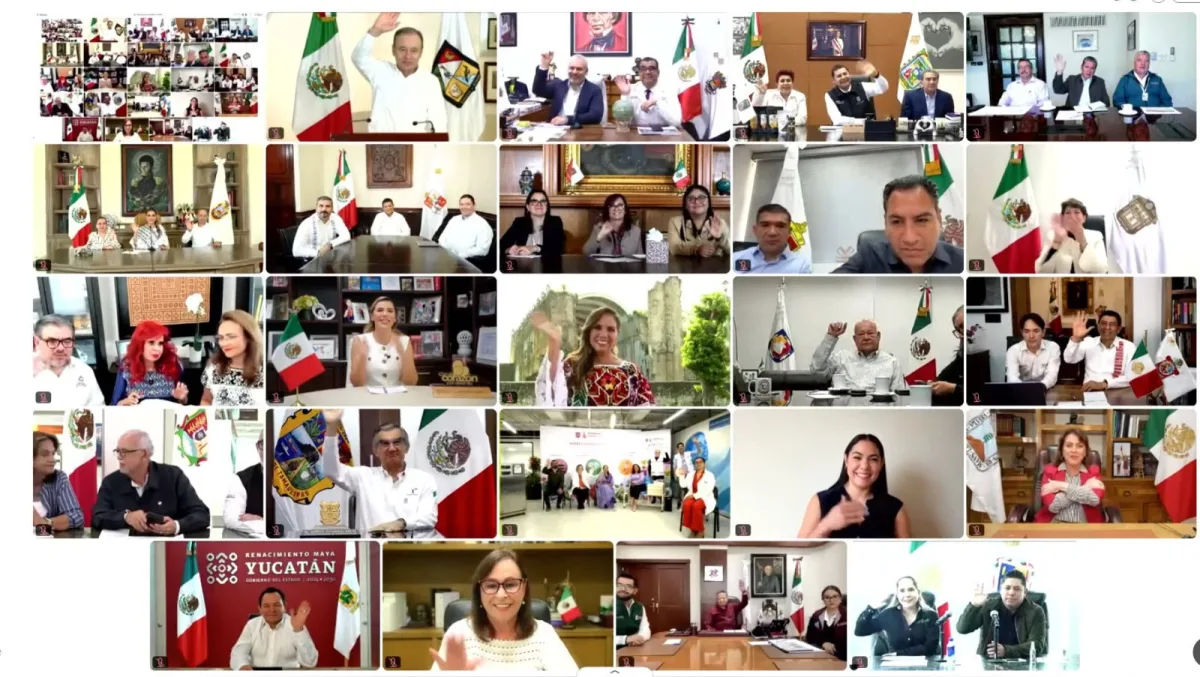
Quintana Roo will have 187 Universal Health Service clinics spread across the state's 11 municipalities, as part of the national free primary-care network unveiled by President Claudia Sheinbaum Pardo on August 25. Of the total planned for the state, 81 correspond to state infrastructure and 106 to federal infrastructure, according to information released by the state government.
The goal, said Governor Mara Lezama, is for "medical care to be closer to families, particularly those living in remote communities." Strategic sites include Tihosuco, in Felipe Carrillo Puerto, to reinforce care in the Mayan Zone. The state network is part of a national plan of 12,750 clinics and is coordinated with IMSS-Bienestar, regular IMSS, ISSSTE and existing health houses.
What it means for Cancún: although the emphasis is on rural areas, Benito Juárez is the most populous municipality in the state and concentrates outlying neighborhoods —such as the western regiones and supermanzanas— where access to a nearby clinic remains limited. More primary-care points can ease pressure on existing emergency rooms and health centers.
What to do in the meantime: public first-level medical care is already available at Secretariat of Health (Sesa) centers and IMSS-Bienestar units for people without social security; enrollment is free and does not require being registered with IMSS or ISSSTE. Bring official ID and your CURP. You can find the nearest unit at municipal health modules or by calling the Sesa information line. Authorities have not yet detailed the opening schedule for the new clinics.
Related
The International Monetary Fund raised its forecast for this year and trimmed 2027 slightly; its 2026 figure matches the Bank of Mexico's.
City planning institute IMPLAN invites residents to ride on October 17 from City Hall for World Breast Cancer Day; health specialists will staff an information booth.
The bill now goes to the Senate, which has until Oct. 31. Taxpayers who use the program would have to pay their debt in a single payment before Jan. 1, 2028.
With this delivery, the land-regularization program has issued 2,102 deeds in Benito Juárez, according to the city.