
Mexico's tax authority flags 289 taxpayers for suspected false invoicing
The SAT identified 169 companies and 120 individuals in 2026 allegedly linked to simulated operations, 7.8% more than in the same period of 2025.
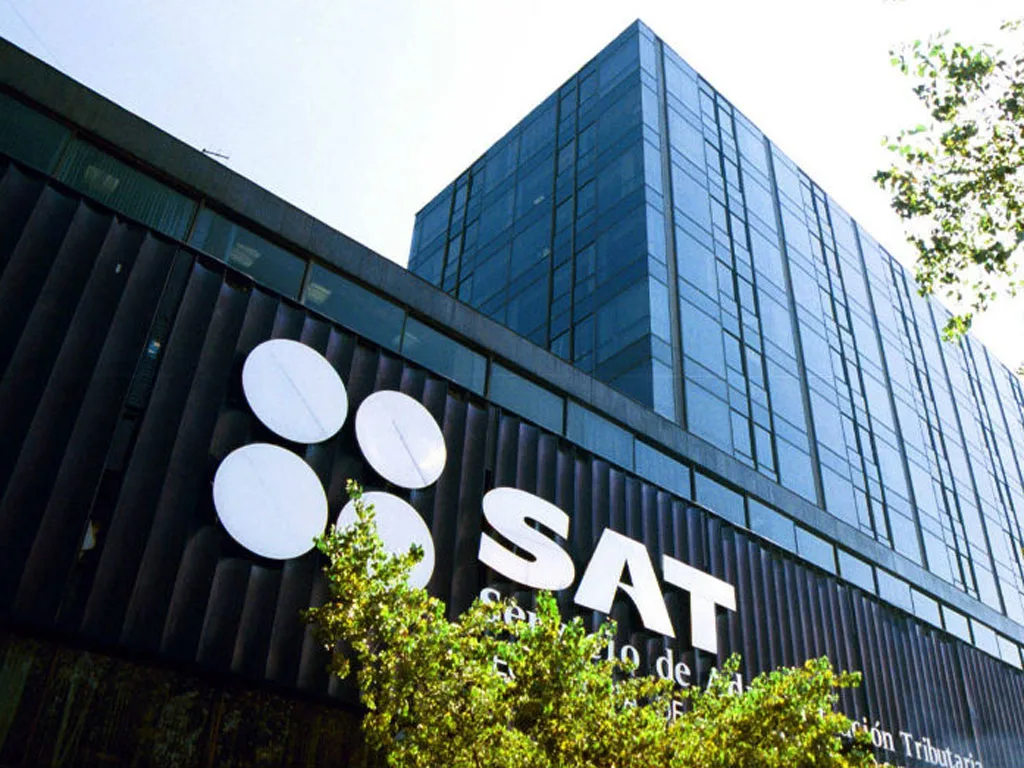
Mexico's Tax Administration Service (SAT) reported the detection of 289 taxpayers allegedly linked to the use of invoices covering simulated operations: 169 are legal entities and 120 are individuals. The figure represents a 7.8% increase compared with the same period of 2025, according to the agency's own data.
The process is grounded in article 69-B of the Federal Tax Code (Codigo Fiscal de la Federacion), which allows the authority to presume that operations do not exist when the issuer of invoices lacks the assets, personnel, infrastructure or material capacity to provide the services or produce the goods being billed.
In tax jargon, entities issuing such invoices are known as EFOS (companies that invoice simulated operations) and those deducting or crediting them as EDOS (companies that deduct simulated operations). Taxpayers listed as presumed retain the right to submit evidence and arguments before their name appears on the SAT's final published list.
According to the authority itself, the updated procedure allows the review to be concluded within 24 days, when it previously could take more than a year.
Companies and professionals in Cancun should periodically check the public list of taxpayers under 69-B assumptions, available on the SAT portal (sat.gob.mx). If a supplier appears as a presumed EFOS, the invoices paid to that supplier could be rejected as a deduction or credit. The standard technical recommendation is to keep evidence supporting the materiality of each transaction —contracts, deliverables, photographic evidence, traceable payment receipts and emails— in order to challenge any claim raised by the authority.
Related
The state joins the national Universal Health Service network, with care points in cities and remote Mayan Zone communities.
INEGI reported 1.8 million people out of work nationwide and a 55% labor-informality rate. Here's what the data signals for job seekers in Cancún and where to turn.
INEGI reported that economic activity fell 0.1% month over month, its second straight drop; year over year it grew 2.8%, with services up 2.2%.
The agency that issues property titles and regularizes land plots relocated its Cancún office to speed up paperwork; note the new address.