
Concanaco Accuses Municipal Governments of Tolerating Illegal Power Hookups
The national business confederation is asking city halls to rein in informal vending that fuels 'diablitos'; the issue also weighs on Cancun during the hot season.
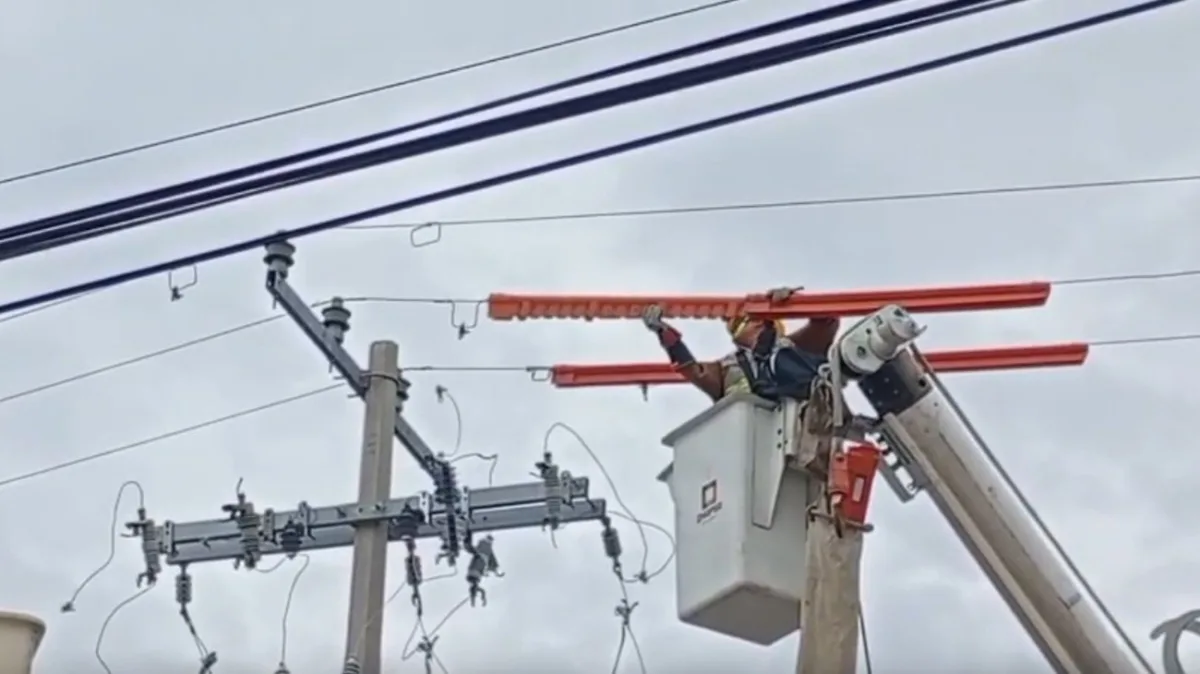
The Confederación de Cámaras Nacionales de Comercio, Servicios y Turismo (Concanaco Servytur), Mexico's national business chamber confederation, said on July 16 that municipal governments across the country are enabling a rise in illegal power hookups — commonly known as "diablitos" — by failing to rein in informal street vending that draws electricity without proper controls.
According to the business organization, which brings together commerce chambers nationwide, the lack of municipal oversight of street stalls and informal markets leads to clandestine electrical connections that directly affect the Comisión Federal de Electricidad (CFE, the national utility), hurt established businesses that do pay for service, and threaten the stability of the power supply in several regions of the country.
Concanaco Servytur called on municipal governments to strengthen coordination with CFE and other relevant authorities to detect and penalize illegal connections, and urged awareness campaigns on the consequences of power theft along with a broader push for legal compliance in electricity use.
The statement follows a broader rapprochement between the business group and the utility: just two days earlier, on July 14, the confederation — which says it represents 5.2 million businesses and family-owned enterprises — held a working meeting with CFE Director General Emilia Esther Calleja Alor. The two sides agreed to set up permanent working committees, open a direct communication line for chambers of commerce to report incidents, promote insurance options available to businesses for electrical failures, and expand outreach for the CFE Contigo program.
What it means for Cancun
The issue is not foreign to Benito Juárez. Illegal connections overload transformers and circuits on the local grid, contributing to blackouts and voltage fluctuations that can damage appliances and business equipment — a risk that intensifies during the hot season, when air-conditioning use drives up electricity demand citywide.
Beyond the service risk, using electricity without a contract is classified as a federal crime: anyone who installs or uses an illegal connection faces criminal penalties and retroactive billing for the energy consumed.
How to report an illegal connection
Cancún residents and businesses who suspect a clandestine hookup or want to report service anomalies can call CFE's customer service line, 071, available 24 hours a day, or use the CFE Contigo app.
Related
Seventy-five percent of the gas Mexico uses comes from the United States, and it fuels about 60% of the country's electricity. A cut of roughly one-fifth was announced a week ago and was handled without problems, the official said.
The Federal Electricity Commission reported service fully restored across four southeastern states after a failure it blamed on vandalism to two 400 kV lines.
Mexico's National Energy Commission set the maximum price for September 6–12; the state's southern zone rose to 19.12 pesos per kilo, and the north, home to Cancún, hovers near 20.
After a meeting with the CFE and all 11 municipalities, Quintana Roo announced electrical infrastructure works in four municipalities, with more than 551 million pesos planned for Benito Juárez.